Source Fast Feed Milling Cutter Bar for CNC, Boring, and Milling
Compare 30 fast feed milling cutter bar options from China. These indexable tools feature cemented carbide or white steel construction with various coatings like AlTiN. Suitable for CNC, boring, and milling machines, buyers can evaluate high-precision models with OEM support.
Key considerations
Products List


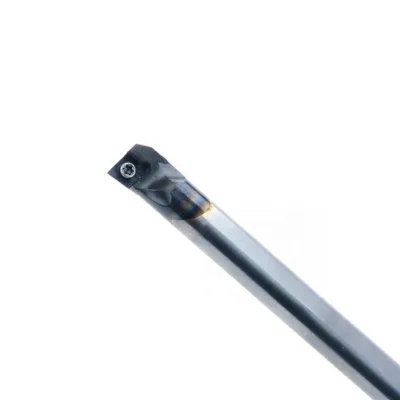
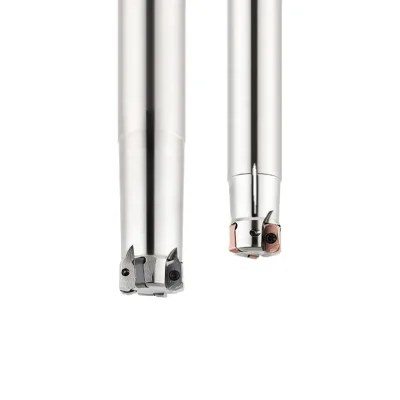
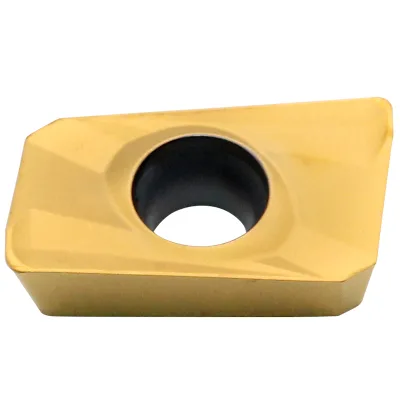
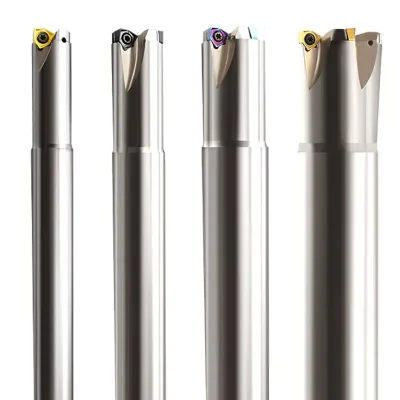


Comprehensive Sourcing Guide
Fast Feed Milling Cutter Bar Sourcing Guide
Procuring fast feed milling cutter bars requires a precise understanding of the tool’s structural integrity and its compatibility with high-speed machining operations. These components are critical for achieving efficient material removal rates in CNC environments, where stability and precision directly impact surface finish and tool life. Buyers must evaluate the interplay between the bar’s material composition, such as cemented carbide or white steel, and its specific tooth form, which often features straight teeth with extra dense spacing to handle aggressive feed rates.
The sourcing landscape is dominated by manufacturers in China, particularly in regions like Chongqing and Fujian, who offer a wide array of models ranging from standard to non-standard configurations. Key attributes to consider include the indexable type structure, which allows for replaceable cutting inserts, and the availability of various coatings like AlTiN or TiCN to enhance wear resistance. Understanding these foundational elements ensures that the selected cutter bar aligns with the specific demands of boring, drilling, milling, and slotting machines.
Product Scope and Observed Listing Signals
The current market for fast feed milling cutter bars presents a diverse range of options, with observed prices spanning from $0.50 to $3,000 USD, reflecting variations in material quality, coating technology, and brand reputation. The minimum order quantities (MOQ) typically range from 1 to 100 units, providing flexibility for both prototype testing and bulk production runs. Listings frequently highlight customization support, including OEM, ODM, and OBM services, allowing buyers to tailor specifications to their unique machining requirements.
Observed product models, such as the 300R-C16-17-120 and EXN03R, indicate a focus on specific dimensional standards and performance characteristics. Brands like BEGUN and DaSen are prominent, offering tools with high precision and high performance advantages. The packaging details, often involving plastic boxes within carton boxes, suggest a careful approach to protecting the delicate cutting edges during transit. Buyers should note that while some listings specify HRC hardness levels like 45 or ranges of 42-60, these are observations that require verification against specific application needs.
Technical Specifications to Verify
When evaluating fast feed milling cutter bars, verifying the diameter and overall length is paramount to ensure compatibility with existing machine spindles and tool holders. Observed specifications indicate diameters ranging from D4 to D32 and overall lengths from L100 to L300, catering to various depth-of-cut requirements. The tooth form is consistently noted as straight tooth with extra dense tooth space, which is crucial for managing chip evacuation and maintaining stability during high-feed operations. Buyers must confirm that the single package size and gross weight, often around 1.000 kg, align with their handling and storage capabilities.
Material selection is another critical technical factor, with cemented carbide and tungsten steel being common choices for their hardness and durability. The coating process, including options like AlTiN, TiCN, and Tin, significantly influences the tool’s performance in different machining scenarios. Additionally, the application scope extends to CNC machines, boring machines, and grinding machines, requiring buyers to match the tool’s precision and control mode to their specific workflow. Verifying the model number against the manufacturer’s catalog ensures that the technical parameters meet the exact requirements of the intended machining process.
Compliance and Safety Documentation
Ensuring that fast feed milling cutter bars meet international quality standards is essential for maintaining operational safety and product reliability. Many suppliers provide ISO9001 certification, which serves as a baseline for quality management systems, although buyers should verify the specific scope of this certification. The presence of certifications like ISO9001:Coating:Uncoated suggests a structured approach to quality control, but it is crucial to understand what specific processes or products are covered under these certifications. Buyers should request detailed documentation to confirm that the tools adhere to recognized safety and performance benchmarks.
Safety documentation also includes information on the tool’s handling, storage, and maintenance requirements. Given the high precision and hardness of these tools, proper handling procedures are necessary to prevent damage and ensure operator safety. Buyers should inquire about the warranty terms, which may extend up to three years, indicating the manufacturer’s confidence in the product’s durability. Additionally, understanding the control mode, such as CNC compatibility, helps in integrating the tool safely into automated machining environments, reducing the risk of operational errors.
Cost Drivers and Commercial Terms
The cost of fast feed milling cutter bars is influenced by several factors, including the material type, coating technology, and the level of customization required. Factory-direct sales often offer competitive pricing, but buyers should consider the total cost of ownership, which includes tool life, replacement frequency, and machining efficiency. The availability of various types and the ability to customize support through OEM or ODM services can impact the final price, with more complex specifications typically commanding higher costs.
Commercial terms such as MOQ, lead times, and payment conditions play a significant role in the procurement process. While observed MOQs range from 1 to 100 units, buyers should negotiate terms that align with their inventory management strategies. The place of origin, primarily China, can affect shipping costs and delivery times, so it is important to factor these into the overall budget. Buyers should also consider the advantages of direct factory sourcing, which may offer better pricing and more flexible customization options compared to intermediaries.
Supplier Qualification and Quality Control
Selecting a reliable supplier for fast feed milling cutter bars involves assessing their manufacturing capabilities, quality control processes, and track record. Suppliers in Chongqing and Fujian, China, are known for their expertise in producing high-precision cutting tools, but buyers should verify their production standards and quality assurance protocols. Requesting samples for testing is a crucial step to evaluate the tool’s performance, precision, and durability in real-world machining conditions.
Quality control measures should include rigorous inspection of the tool’s dimensions, coating uniformity, and structural integrity. Buyers should inquire about the supplier’s testing procedures and any third-party certifications that validate their quality management systems. Additionally, assessing the supplier’s ability to provide consistent product quality across multiple orders is essential for long-term procurement success. Establishing a clear communication channel with the supplier ensures that any issues or modifications can be addressed promptly, maintaining the integrity of the supply chain.
Long-Term Procurement Checks
Establishing a long-term procurement strategy for fast feed milling cutter bars requires regular performance monitoring and supplier relationship management. Buyers should track key performance indicators such as tool life, machining efficiency, and defect rates to assess the value provided by the current suppliers. Regular audits of the supplier’s quality control processes and production capabilities help ensure that the tools continue to meet the required standards over time.
Continuous improvement initiatives, such as exploring new coating technologies or material advancements, can enhance the performance and cost-effectiveness of the cutter bars. Buyers should maintain open communication with suppliers to stay informed about product updates and industry trends. Additionally, diversifying the supplier base can mitigate risks associated with supply chain disruptions, ensuring a steady supply of high-quality tools. By focusing on long-term partnerships and continuous evaluation, buyers can optimize their procurement strategy and achieve sustained operational efficiency.
FAQs
What customization options are available for fast feed milling cutter bars?
Customization is available with OEM, ODM, and OBM support for these tools. Buyers can request specific models like 300R-C16-17-120 or 300R-C15.6-16-150. The products feature straight teeth and extra dense tooth spacing. This allows manufacturers to tailor the indexable type cemented carbide or white steel tools to unique machining requirements.
Which certifications do fast feed milling cutter bar manufacturers hold?
Manufacturers hold ISO9001 certification for their production processes. Some products are coated while others remain uncoated depending on the specific model selected. The coating options include AlTiN, TiAlN, TiCN, and Tin. This ensures quality control across the diverse range of boring, drilling, and milling machine applications.
How does the coating process affect the performance of these cutter bars?
The coating process enhances performance by applying layers like AlTiN, TiAlN, TiCN, or Tin. These coatings are applied to cemented carbide or white steel materials. The high precision and high performance attributes are maintained through these specialized treatments. This ensures durability during operations on CNC machines, slotting machines, and grinding machines.
Can I source fast feed milling cutter bars with specific model numbers?
Yes, specific model numbers such as 300R-C16-17-120 and 300R-C15.6-16-150 are available. The product line includes various types like C10K-SVJCR11 and E20R-STUCR11. These models support applications in boring, drilling, and milling machines. Buyers can select from non-standard specifications to match their exact industrial machining needs.
What are the packaging details for shipping these milling cutter bars?
Packaging details include one piece per plastic box and twenty to fifty boxes per carton. The single package size is 13 by 6 by 2 cm with a gross weight of 1.000 kg. Products originate from Chongqing or Fujian in China. This ensures safe transport for the high precision tools used in various industrial applications.
Which materials are used to manufacture these fast feed milling cutter bars?
The primary materials used are cemented carbide and white steel. Some listings also mention tungsten steel as a material option. These materials provide the necessary hardness and durability for high-performance machining. The tools are designed for use in CNC machines, punching machines, and other heavy-duty industrial equipment.
What is the typical lead time for ordering customized milling cutter bars?
Lead times vary based on customization requirements and order volume. The minimum order quantity ranges from one to one hundred units. Factory direct sales from China offer competitive pricing and various types. Buyers should contact suppliers directly to confirm specific lead times for their requested model numbers and specifications.